
Today I am going to talk about what value is and what is valuable.
Darwinian life on earth tends in many cases to be a very cruel process, where there are large amounts of suffering.
What does it feel like to be different animals?
Most likely the lion thinks about what to eat.
Does it feel like freedom to fly like a bird?
Whales most likely live in a world built on their echolocation.
Some animals live terrified and escaping, others are suffering intensely.
Human beings share much with other animals and at the same time we have an intellectual and rational side.
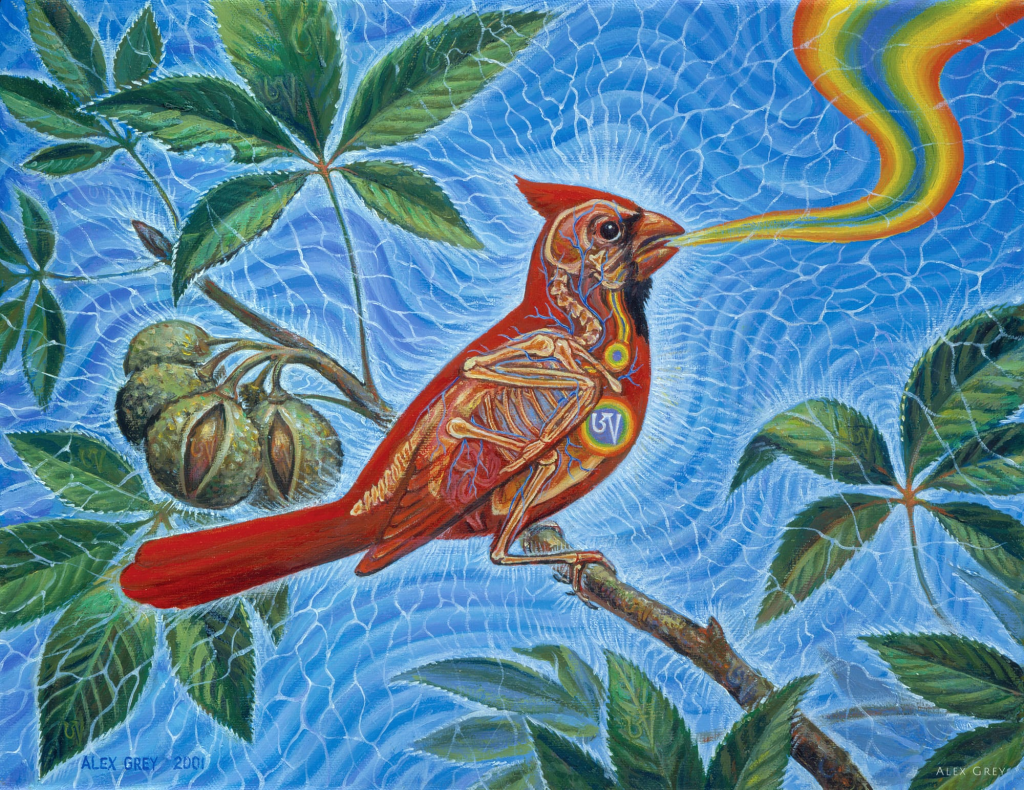
All animals have tendencies or fixations and these move us.
But there are contradictions between what different animals consider valuable, different «observers» «observe» (note the quotation marks, left there to leave a questioning about «what» observers are) the same situation in different ways. So…
…Is there really something valuable?.
From the perspective of the agonizing animal, its suffering is truly and intensely horrible, regardless of what any other being may think, in the same way, the deep ecstasy of a jhana is real.
In a way it can be argued that al the suffering of the universe is in truth, «ours» (or is ours «theirs»/»his»/»hers»? Is there really a self?).
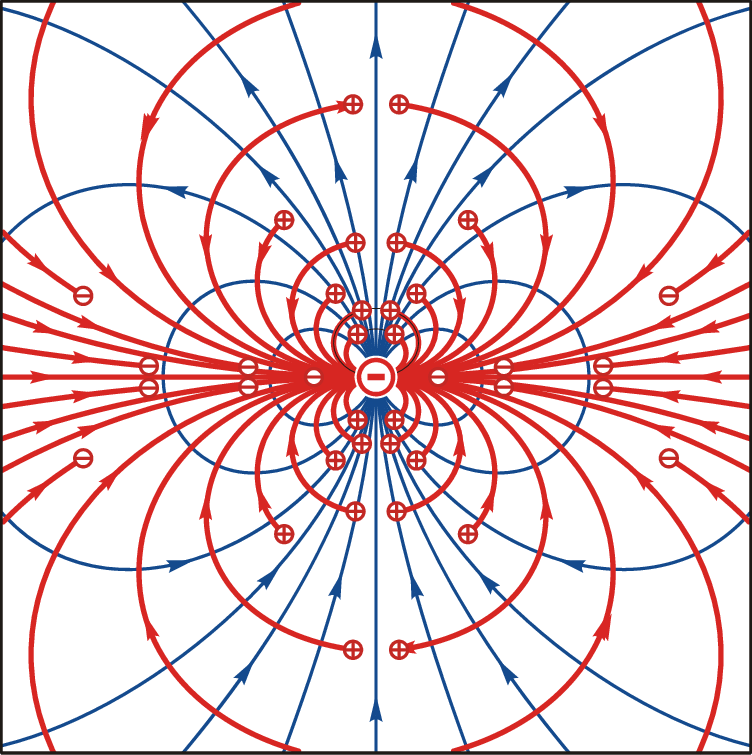
Physicists have taught us to see «thing(s)» as field(s).
And what is the value in these experiences?
We humans have tried to understand the nature of pleasure and pain in many ways, we have related it, for example, to the activation of different areas of the brain, the ventral tegmental area for pleasure and the cingulate gyrus for pain are some of those that we have found.
It has been noted that when we experience things that induce feelings of well-being or discomfort, these areas are activated.
In Geshwind syndrome, a type of temporal lobe epilepsy, people have extremely deep and beautiful experiences, which tend to lead to hypergraphia, hyperreligiosity and deep spiritual experiences. All this explained by abnormal neuronal activity that tends to be attributed to other causes.
To properly understand the world, one of the most relevant ideas is that of indirect realism of perception. That which we experience we experience is not directly the external world (cf. naive realism), but rather a representation or simulation within our heads, a kind of diorama based on the external world. To form an image of this concept, we can imagine a kind of bubble made of qualia that takes the form of a world (I discuss this concept in more detail here). Indirect realism of valence also applies to our experience; the things we perceive as valuable are not directly valuable, but rather they have a valence.
Thus our representations have appearances that do not necessarily reflect the true nature of external world. That’s why we could say, Buddhists speak of a cyclical existence in realms of fixations, which form a fictitious appearance of reality from within, and that’s why one of the three marks of existence according to them is unsatisfactoriness.
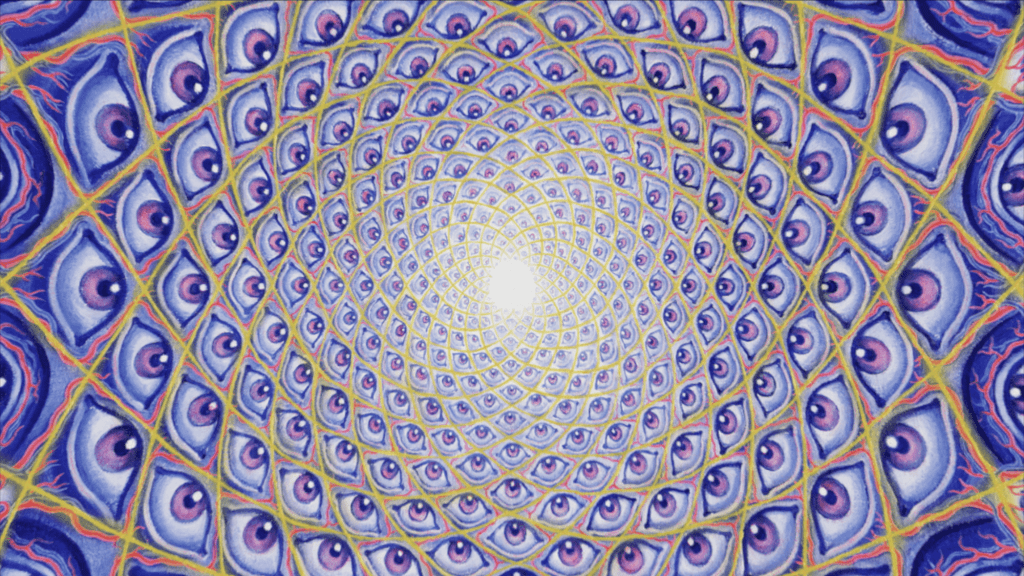
Each experience has a certain valence, there is positive valence, such as joy, negative as that of pain, there is mixed, we can feel positive and negative valence at the same time, or there is neutral.
Valence is usually interpreted in ways other to «this is valence» by our experience, even though whats actually happening is that there are representations, which have different valences, it is often thought that what activates different states of valence is directly good or bad.
The idea of valence structuralism proposes that what determines it in each experience is its structure.
If we look closely, we can relate the structure of different sensations to how well or badly they feel, whatever their content and form. Pleasant sensations tend to have an uninterrupted and symmetrical flow, while unpleasant ones have symmetry breaking operations, such as reflections and twists.
Thus, hand in hand with structuralism of valence, comes the symmetry theory of valence, symmetries are behind many things in physics and it is in agreement with what we can experience that these same are behind valence.
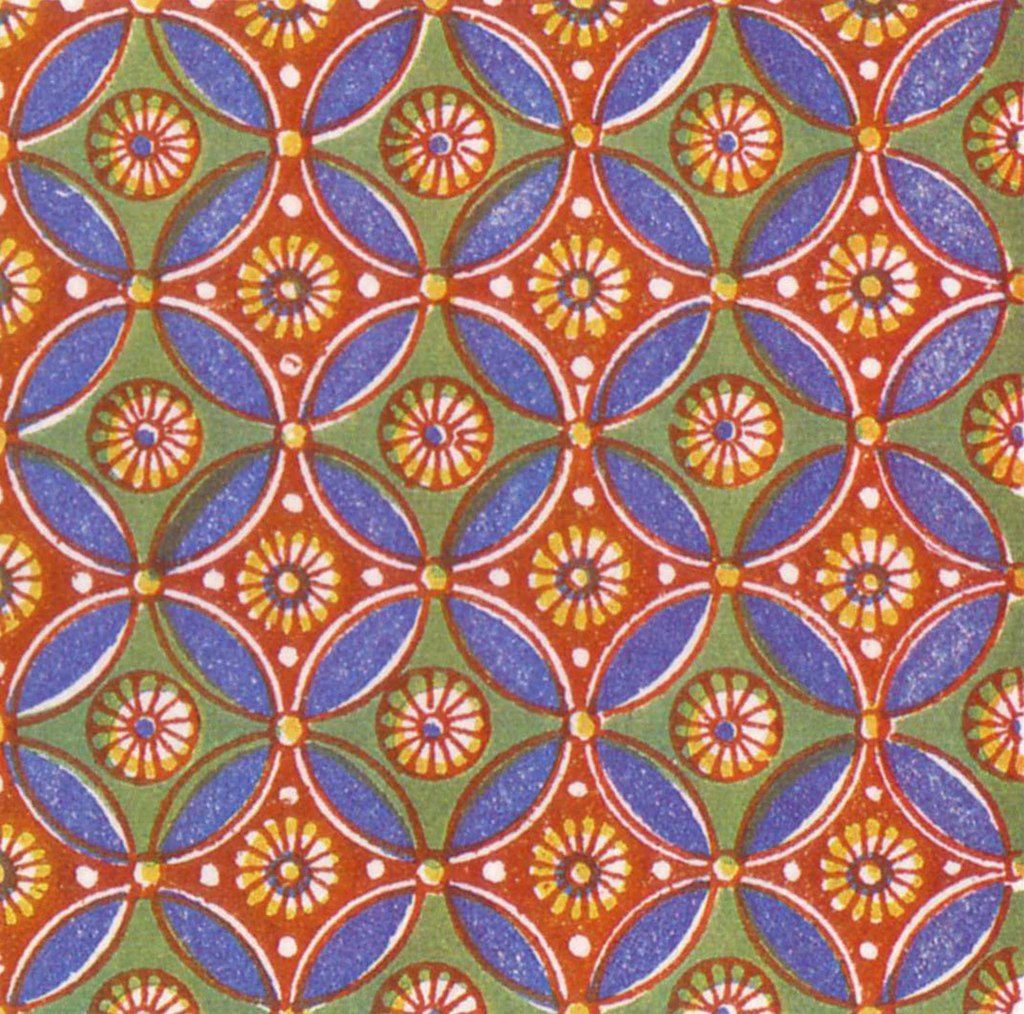
There are 17 wallpaper groups.
A good example is body pain vs a massage, but a broader argumentation can be given, the symmetry theory of valence can be explored from a large number of perspectives, for example neurological and from physics.

True value is in valence.
As I was mentioning, what we perceive as if they were the objects of our interest are not directly these same but a representation within our heads.
What we feel as the value of these same depends on the structure of that representation.
So for some child, a clown will feel like an approximation to the very incarnation of evil while a chocolate is made of particles of pure delight. While all this felt value is actually encoded in its structure
The valence of these objects generates that we have intentions towards them, that is why we know them as intentional objects.
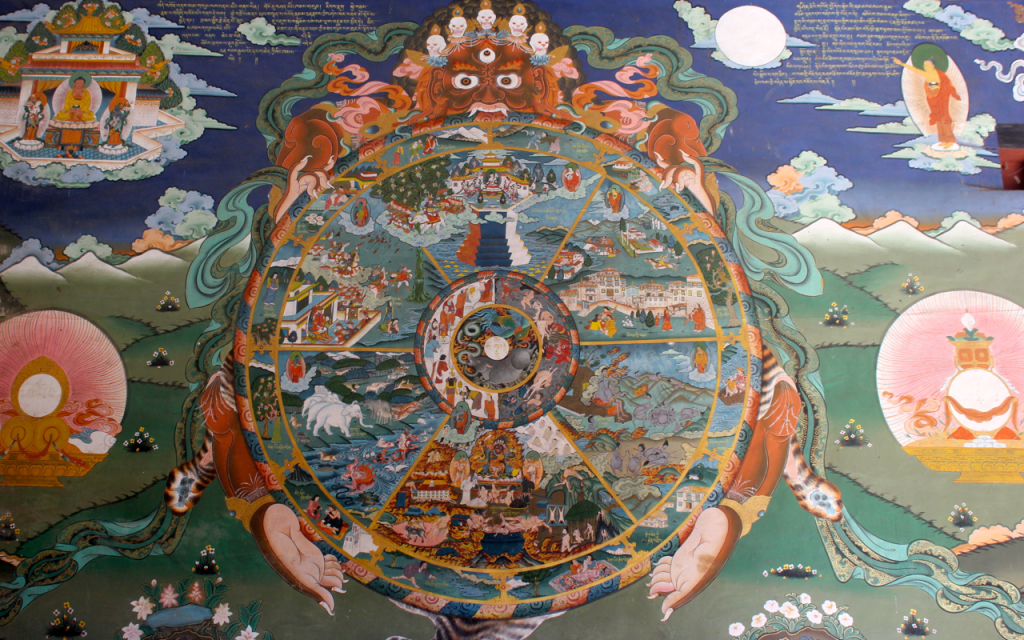
Sometimes they are known as the realms of fixations.
True value is in valence, we can have value without this coming bound to intentional objects, there is, for example, a large number of meditation states where this happens.
Of course, much of what we represent as valuable is really necessary to live, to cooperate, to not suffer and to have those beautiful states of high valence, a very large part of our happiness comes from having an adequate diet or good social relationships, for instance. We can find new ways to look at these kinds of things.
However, there are intentional objects that practically in consensus we can see as illusory, for example those of many states of mania, or psychosis. If we then analyze with an appropriate epistemology many other human beliefs, we see that they have a similar status.
What intentional objects have is a kind of tyranny over our experiences, which leads us to spend, or should we say waste resources on things that are nothing more than appearances in our small representation of the true universe.
(dis)value exists truly and independently of «who» experiences it.
More in agreement with reality, is to understand what exists as experiences that are part of the universal field («who» or «what» are we?).
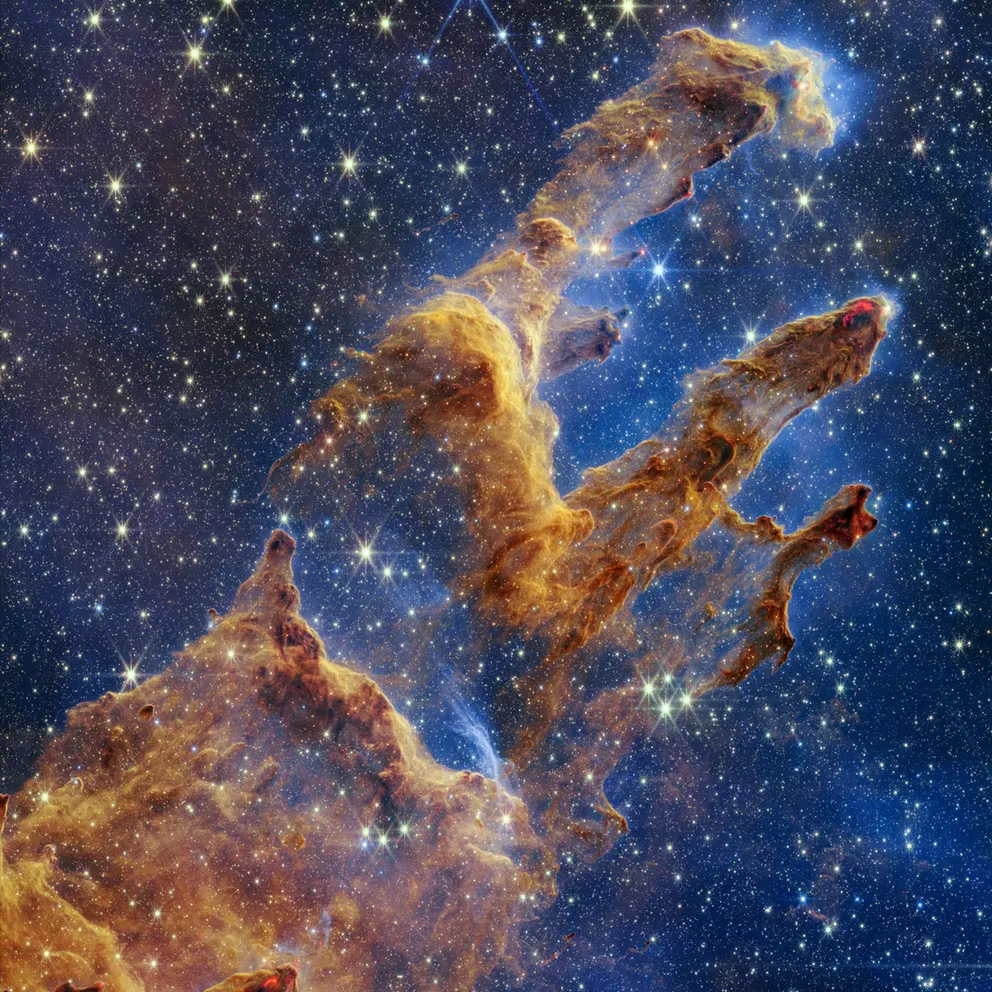
If we stop letting ourselves be carried away by these appearances…
appearances go very far, depending on the intensity «of the energy level» in each experience.
…and we recognize that well-being is in structure, we can find a much more effective way to improve it. Appearances tend to make us latch onto them, and that makes us suffer. This can be understood as a way to express what is also expressed in the buddhist path to liberation.
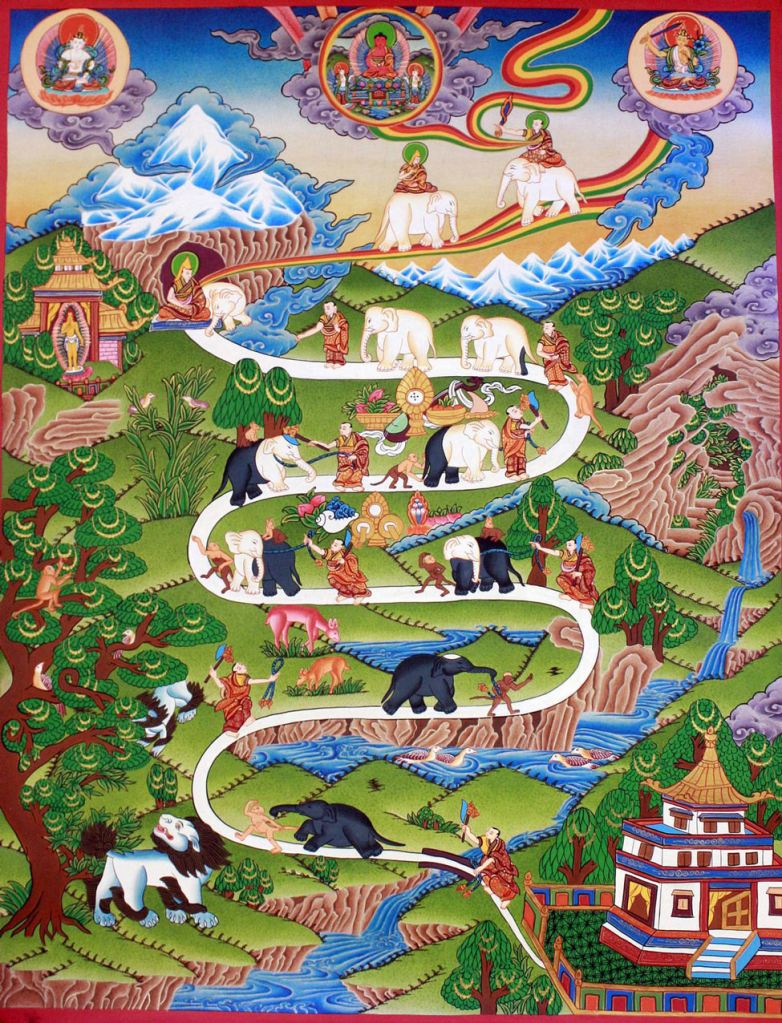
 Compassionate Cosmos
Deja un comentario